
Cours en ligne
THE PATH TO AWAKENING
| Ce document ne peut être vendu ou cédé à des tiers, ni reproduit sur quelque support que ce soit, même partiellement, sans autorisation écrite de l’auteur. En aucun cas la responsabilité de l’auteur ne saurait être engagée, la mise en œuvre de ce contenu restant sous l'entière responsabilité du lecteur. L'ensemble de ce contenu reste une pratique de bien-être et de prévention, n'ayant aucune vocation médicale. |
The Traps of Spiritual Ego
As long as the “self” remains at the forefront of experience, a person entering a phase of spiritual opening cannot truly awaken.
Worse still, they must heighten their vigilance. The “self” seeks to remain the master of the game and can set all manner of traps.
 The most common trap is the sense of being guided by an invisible hand—perhaps a spiritual guide, an angel, a deceased loved one, Jesus, Mary, or God.
The person caught in this trap believes they are receiving divine messages. They notice signs, synchronicities, and mirror hours, and they may come to believe they have been entrusted with a special life mission.
Another formidable trap is the belief that this spiritual opening is unique or exceptional—that they have been chosen by a divine force to experience it.
Through this belief, the “self” convinces them that their experience is exclusive, when in fact it is universal. If left unchecked, this can even lead to feelings of superiority over others.
Spiritual opening can also create the illusion that one has reached a state of unconditional love, that the ego is gone, and that the end of the path has been reached.
Yet this is not the case: past actions continue to bear their fruits, and we continue to experience their consequences.
The Ultimate Trap
 Finally, the greatest trap we can fall into is confusing spiritual opening with awakening.
Indeed, if we are convinced that we are already awakened, there is no longer any reason to seek awakening.
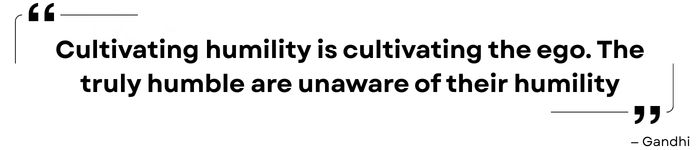
It is essential to understand that when a being truly awakens, they never say, “I am awakened.” Nor do they feel the need to proclaim it to the world.
This is simply because, in the state of awakening, the “self” is no longer in charge—it has no reason to boast.
In reality, these traps are easy to understand. As the person experiencing spiritual opening expands their field of consciousness, the “self” is no longer at the center of attention, and it becomes destabilized.
Concretely, the person moves from the narrow confines of a self-centered life to a much vaster world—whether that be the Universe, God, unconditional love, a sense of connection with all things, or the cultivation of compassion.
Yet the “self” refuses to be sidelined; it wants to remain at the center. And naturally, the sense of this larger, more expansive world is deeply alluring to it.